Tips
Your Nutrition Questions Answered Here

What is balanced nutrition?
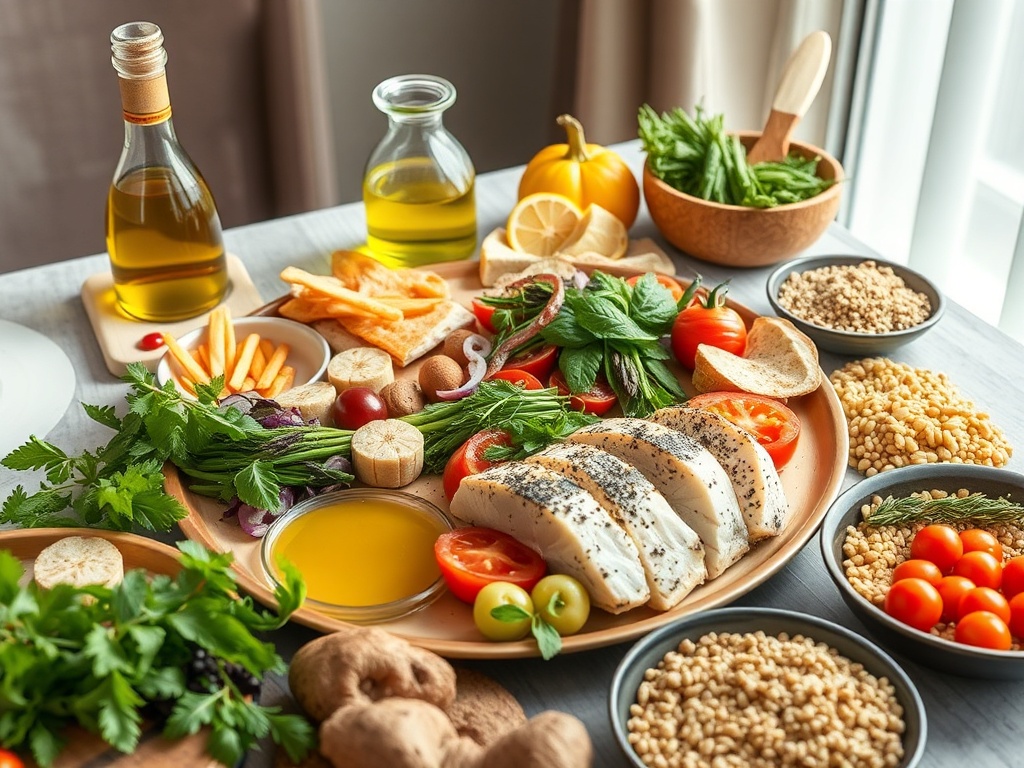
Balanced nutrition means consuming the right proportions of proteins, carbohydrates, healthy fats, vitamins, and minerals your body needs daily. It's not about strict dieting or eliminating foods you love, but rather making informed choices that nourish your body. A balanced diet supports energy levels, strengthens your immune system, and helps maintain a healthy weight. The key is understanding portion sizes and food groups, then creating sustainable eating habits that fit your lifestyle.
Why does nutrition matter for health?
Proper nutrition is the foundation of good health and wellness. When you eat nutrient-rich foods, your body receives the fuel and building blocks needed for optimal function. Good nutrition reduces the risk of chronic diseases like heart disease, diabetes, and obesity. It also improves mental clarity, mood, and energy levels throughout the day. By prioritizing what you eat, you're investing in your long-term health and quality of life for years to come.
What are the main food groups for a balanced diet?
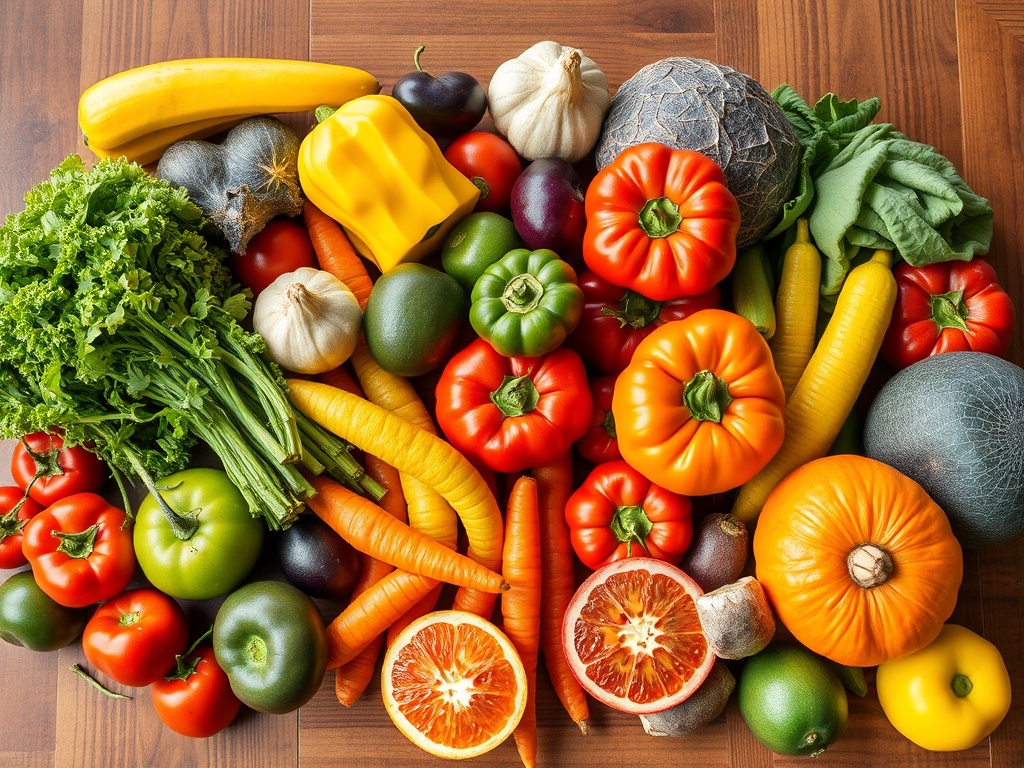
A balanced diet includes five main food groups: fruits, vegetables, whole grains, protein sources, and dairy or alternatives. Fruits and vegetables provide essential vitamins and minerals. Whole grains offer fiber and sustained energy. Proteins from meat, fish, legumes, or nuts support muscle health. Dairy or plant-based alternatives supply calcium for bone strength. Each group plays a unique role in keeping your body functioning optimally and maintaining overall wellness.
How can I build healthier eating habits?
Building healthier eating habits starts with small, manageable changes rather than complete overhauls. Begin by adding more whole foods to your meals, drinking adequate water, and eating mindfully without distractions. Plan your meals ahead to avoid impulsive unhealthy choices. Keep nutritious snacks readily available and read food labels to understand what you're consuming. Practice portion control and listen to your body's hunger and fullness cues for sustainable lifestyle change.
What role does hydration play in nutrition?
Water is essential for every bodily function, from digestion and nutrient absorption to temperature regulation and joint lubrication. Most adults need about eight glasses daily, though individual needs vary based on activity level and climate. Proper hydration improves energy, mental focus, and skin health. Many people mistake thirst for hunger, so drinking water helps prevent overeating. Replace sugary drinks with water, herbal tea, or infused water for maximum health benefits.
How do I read and understand nutrition labels?
Nutrition labels provide crucial information about serving size, calories, macronutrients, and added sugars. Start by checking the serving size to understand portion amounts. Look at total calories and how they're distributed among fats, carbohydrates, and proteins. Pay attention to added sugars and sodium levels. Compare labels across brands to choose healthier options. Understanding these labels empowers you to make informed decisions about the foods you buy and consume daily.
Explore more nutrition topics and healthy eating strategies

What are superfoods and are they necessary?
Superfoods are nutrient-dense foods that pack exceptional health benefits, like blueberries, spinach, salmon, and almonds. While they're excellent choices, no single food is essential for health. A balanced diet with varied whole foods is more important than focusing on expensive superfoods. Building nutritious meals with seasonal produce, legumes, and whole grains is often more sustainable and budget-friendly. The best diet includes foods you enjoy that align with your health goals.
How can I manage portion sizes effectively?
Portion control doesn't mean eating less; it means eating appropriate amounts for your body's needs. Use smaller plates to naturally reduce portions without feeling deprived. Fill half your plate with vegetables, one quarter with protein, and one quarter with whole grains. Practice eating slowly and chewing thoroughly to allow your brain time to register fullness. Keep measuring cups handy to learn actual serving sizes. This awareness helps you enjoy foods you love while maintaining healthy weight.
What are the benefits of meal planning and preparation?
Meal planning saves time, money, and stress while ensuring balanced nutrition throughout the week. When you plan ahead, you're less likely to rely on processed foods or takeout. Preparing meals in advance reduces daily cooking time and improves consistency in your eating habits. You can batch cook proteins and vegetables, then combine them into different meals. This strategy helps manage portion sizes and prevents impulsive unhealthy choices when you're busy or tired.
How should I approach eating for weight management?
Healthy weight management focuses on sustainable lifestyle changes rather than quick fixes or restrictive diets. Combine balanced nutrition with regular physical activity that you enjoy. Create a modest calorie deficit through smarter food choices rather than severe restriction. Include protein and fiber at each meal to stay fuller longer. Track your progress through measurements and how you feel, not just the scale. Work with a healthcare provider or registered dietitian for personalized guidance.
What about eating out while maintaining nutrition?
Eating out doesn't derail your nutrition goals when you make conscious choices. Review menus online beforehand and choose restaurants with healthier options. Request dressings and sauces on the side, and ask for grilled preparations instead of fried. Opt for vegetable-based sides over fries. Control portions by sharing entrees or boxing half your meal immediately. Remember that eating out occasionally is part of balanced living. The key is making better choices while still enjoying social meals.
How can I overcome emotional and stress eating?
Emotional eating often stems from using food to cope with stress, boredom, or sadness. Recognize your triggers by keeping a food journal and noting your feelings when eating. Develop alternative coping strategies like exercise, journaling, meditation, or calling a friend. Keep healthier snacks available for when cravings hit. Practice mindful eating by eating without distractions and truly savoring your food. If emotional eating significantly impacts you, consider support from a therapist or counselor.

Get your personalized nutrition assessment
Our experts provide guidance for your specific dietary needs.